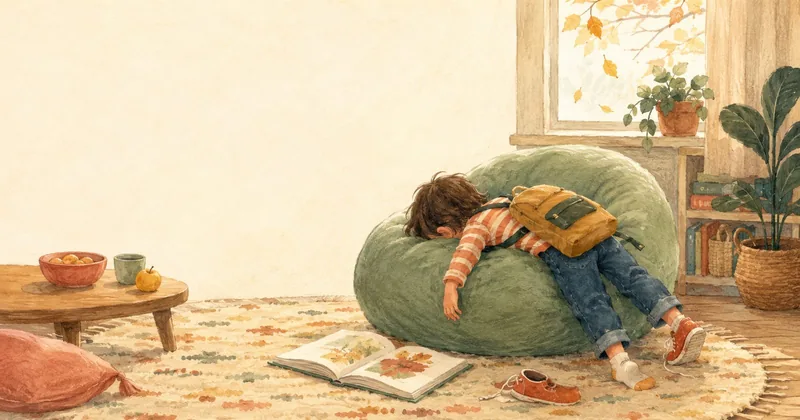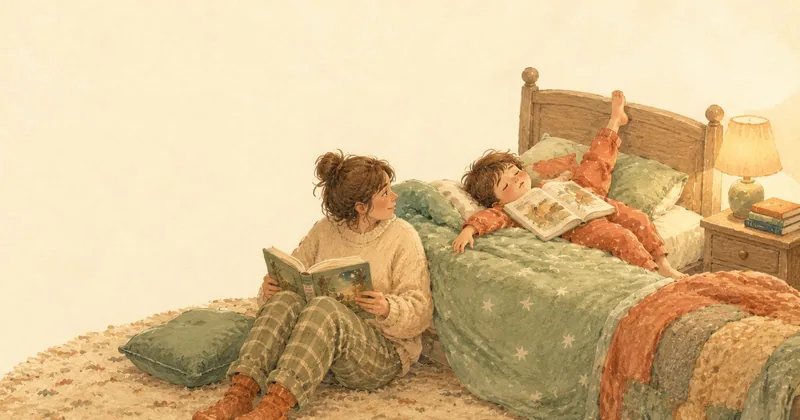
There is a moment, usually somewhere in first or second grade, when a child reads a whole book by themselves and the household quietly reorganizes around it. Reading becomes something they do, in their room, alone. The read-aloud stops without anyone deciding to stop it.
It is an understandable moment to stop. It is also close to the worst one.
What a new reader can actually do
Decoding is hard work. A seven year old reading alone is spending most of their effort on the machinery of reading, which leaves much less attention for the story. Read to that same child and all of that effort disappears, and they can follow a plot far more complicated than anything they can decode themselves.
Reading researchers have made this point for decades: a child’s listening comprehension runs well ahead of their reading comprehension, and the two do not converge until somewhere around age thirteen. For roughly six years, the books your child can understand and the books your child can read are two different lists.
Reading alone builds the skill. Being read to builds the appetite. A child needs both, and only one of them is on the school’s to-do list.
Read above their level, not at it
This is the whole trick. Their independent reading should be comfortable, even easy. What you read aloud should be a couple of years ahead: longer sentences, harder words, a plot with more than one thing happening. That gap is where vocabulary comes from, and it is very hard to get it any other way.
Let their hands be busy
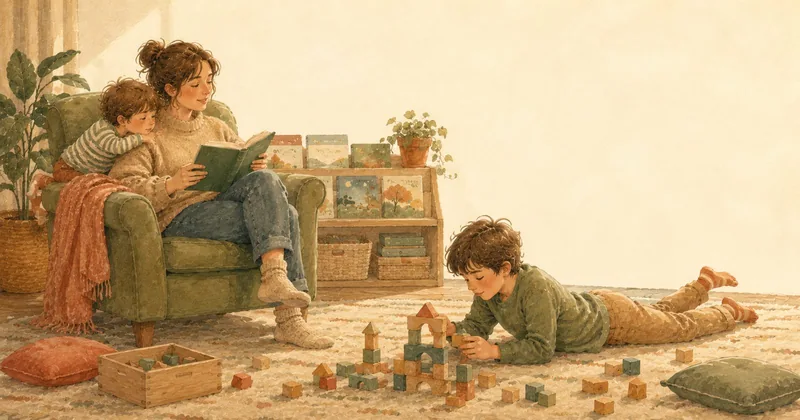
Older children listen better when they are not being asked to look attentive. Lego, drawing, a card game, folding laundry. A child building something quietly while you read is not being rude, and they will surprise you with what they caught.
One chapter, and no questions afterward
The fastest way to make a read-aloud feel like school is to quiz it. No comprehension checks, no “so what do you think will happen.” If they want to talk, they will talk. If they do not, close the book and let it be the thing that happens before bed rather than the thing they get tested on.
Take turns, but keep it lopsided
If they want to read a page, let them read a page, then take the book back. Alternating whole chapters usually collapses, because their chapter takes four times as long and everyone starts dreading it. You are doing most of the reading. That is fine.
The picture books are not beneath them
An eight year old still enjoys a good picture book and often feels faintly embarrassed about it. Keep them on the shelf. Read one occasionally without making a thing of it. The illustrated nonfiction in particular tends to be far better than anything at their reading level. There are usually a few on the weekly book list worth borrowing for exactly this.
Audiobooks count
In the car, at dinner, during a long afternoon. It is not the same as your voice and it does not build the same relationship, but for vocabulary and story appetite it does most of the same work. Use it without guilt.
When they say they are too old
They usually mean they are too old to be read to like a small child. Change the material rather than dropping the habit. A genuinely gripping novel, a chapter a night, read at full speed with no baby voices, will hold a ten year old easily. Plenty of families are still doing this at twelve and would not describe it as reading to a child at all.
If the chapter-a-night habit keeps collapsing into an argument about lights out, the problem is probably the routine rather than the book, and that is worth fixing first.
Try this week: pick one chapter book about two years above what they read on their own, and read the first chapter tonight without explaining why. Do not offer to stop. See where you are by Friday.